
Medically Reviewed by Dr. Alan McCaffrey on September 28, 2026
Losing a tooth can feel like losing a small piece of yourself. Maybe you hide your smile in photos now, or you chew carefully on one side, hoping no one notices the gap. The decision about how to fill that space is rarely just about the tooth. It is about how you want to feel at dinner with friends, how confident you want to be at work, and how much you want to think about your mouth ten or twenty years from now. When you start researching your options, two names tend to rise to the top, and they each tell a very different story about your future.
At Red Rock Dental, our locally owned and operated practice in Las Vegas, we have spent two decades helping Summerlin families weigh those exact choices with honesty and care. Dr. Alan McCaffrey and Dr. Thomas Booker both believe in a conservative, minimally invasive approach, which means we want you to understand the full picture before you commit. Two of the most common paths for replacing a missing tooth are dental implants and traditional bridges, and choosing between them often comes down to one quiet question: which one is truly the better long-term investment?
The Two Main Solutions: Dental Implants and Dental Bridges
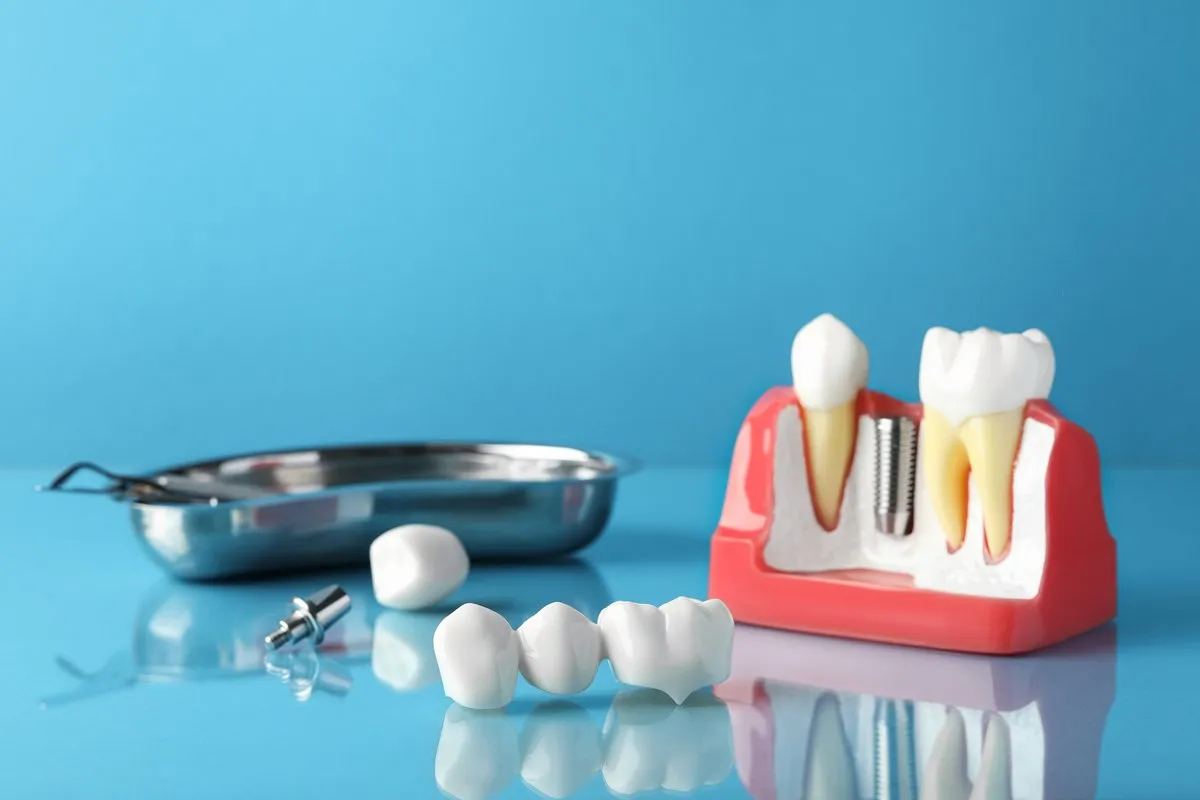
Imagine two homes built on the same street. One sits on a deep, solid foundation poured directly into the ground, while the other is propped up by leaning on the houses next door. Both look lovely on move-in day, but only one was designed to withstand decades of storms. That image captures the core difference between these two treatments. A dental implant is a small titanium post placed into your jawbone, topped with a custom crown that functions like a natural tooth. A dental bridge fills the gap by anchoring a replacement tooth to the healthy teeth on either side, relying on those neighbors for support.
Looking at the Upfront Cost Comparison
It would be easy to stop the story at the price tag, and many people do. Bridges usually cost less upfront and can be completed in a couple of visits, which feels reassuring when you want the gap gone quickly. Implants, on the other hand, ask more of you in the beginning, both in time and in cost, because the post needs to fuse with your bone before the final crown goes on. We always value pricing transparency, so we will never pretend the implant route is the cheaper one on day one. The real question is what happens after that first chapter ends.
The Difference in Durability Over Time
Here is where the two stories begin to diverge in earnest. Bridges typically need to be replaced every ten to fifteen years, and because they depend on the surrounding teeth, those once-healthy neighbors can wear down or develop decay over time. Implants are built to last much longer when properly cared for. A recent 20-year meta-analysis published in the National Library of Medicine found that dental implants have survival rates exceeding 90 percent even after 10 years, a track record few other restorations can match. For many of our patients, that longevity quietly transforms the implant from an expense into a one-time investment.
Protecting Your Bone and Your Smile
There is a benefit that rarely shows up on a quote but matters enormously down the road. When a tooth is lost, the jawbone beneath it slowly begins to shrink, much like a garden bed left unplanted. An implant acts like a root, stimulating that bone and helping preserve the natural shape of your face. A bridge, while beautiful above the gum line, does nothing to stop that hidden loss underneath. This is one reason we often compare implants with other restorations, including dentures, so you can see exactly what each option does, and does not, protect over time.
Weighing What Matters Most to You
The best investment isn’t the same for everyone, and your lifestyle, health, and goals all play a role. When we sit down together, we usually walk through a few honest questions:
- How long do you want the restoration to last before it needs replacement?
- Do you want to protect the bone and your neighboring teeth?
- How does the total cost compare once future repairs are factored in?
Thinking through these points helps the right choice surface naturally. Many patients also find it helpful to review our guide on single dental implants vs tooth replacement options before making a final decision.
Invest in Your Smile With Red Rock Dental
Choosing between an implant and a bridge is really a decision about the kind of future you want for your smile, and you should never have to make it alone. With twenty years of experience and over one hundred hours of continuing education each year, our doctors bring a thoughtful, quality-driven perspective to every consultation. We will look at your bone health, your budget, and your long-term goals, then help you find the option that serves you best for years to come.
Whether you lean toward the lasting strength of an implant or the convenience of a bridge, we are here to guide you with clarity and warmth, and we will always be upfront about your investment, insurance, and financing options. When you are ready to explore what fits your life, we invite you to reach out to our Summerlin team and take the first step toward a smile you can count on.
Frequently Asked Questions About Dental Implants vs. Bridges
How long do dental implants last compared to bridges?
Dental implants are designed to be a long-term or permanent solution. Studies show survival rates exceeding 90 percent even after ten years, and many implants last two to three decades or longer with proper care. Dental bridges, by contrast, typically need to be replaced every ten to fifteen years. Over a lifetime, an implant often proves to be the more cost-effective option even though it costs more upfront.
Dental implants are designed to be a long-term or permanent solution. Studies show survival rates exceeding 90 percent even after ten years, and many implants last two to three decades or longer with proper care. Dental bridges, by contrast, typically need to be replaced every ten to fifteen years. Over a lifetime, an implant often proves to be the more cost-effective option even though it costs more upfront.
Does getting a dental implant damage adjacent teeth?
No. An implant is placed directly into the jawbone and functions independently, without relying on neighboring teeth for support. A dental bridge, however, requires the dentist to crown the teeth on either side of the gap so they can anchor the replacement tooth. That preparation removes healthy tooth structure from otherwise sound teeth and can increase their risk of decay or fracture over time.
No. An implant is placed directly into the jawbone and functions independently, without relying on neighboring teeth for support. A dental bridge, however, requires the dentist to crown the teeth on either side of the gap so they can anchor the replacement tooth. That preparation removes healthy tooth structure from otherwise sound teeth and can increase their risk of decay or fracture over time.
What happens to the jawbone when a tooth is missing?
When a tooth root is no longer present, the jawbone in that area begins to lose density over time because it is no longer being stimulated. This bone loss can change the shape of your face and affect how neighboring teeth fit together. A dental implant acts like a natural root and stimulates the bone to preserve its volume. A dental bridge replaces the visible crown of the tooth but does nothing to prevent the bone loss occurring beneath the gumline.
When a tooth root is no longer present, the jawbone in that area begins to lose density over time because it is no longer being stimulated. This bone loss can change the shape of your face and affect how neighboring teeth fit together. A dental implant acts like a natural root and stimulates the bone to preserve its volume. A dental bridge replaces the visible crown of the tooth but does nothing to prevent the bone loss occurring beneath the gumline.
Is a dental implant always the better choice over a bridge?
Not necessarily. Implants are generally the stronger long-term investment for most patients, but a bridge may be a better fit when there is insufficient bone for implant placement, when a faster timeline is needed, or when budget constraints make the lower upfront cost of a bridge more practical. The right choice depends on your specific bone health, medical history, and personal goals, which is why a thorough consultation is the best starting point.
Not necessarily. Implants are generally the stronger long-term investment for most patients, but a bridge may be a better fit when there is insufficient bone for implant placement, when a faster timeline is needed, or when budget constraints make the lower upfront cost of a bridge more practical. The right choice depends on your specific bone health, medical history, and personal goals, which is why a thorough consultation is the best starting point.
Does dental insurance cover implants or bridges?
Most PPO dental plans classify both implants and bridges as major restorative procedures, covering approximately 50 percent of the cost after the deductible is met. Coverage for implants varies more widely than for bridges, and some older plans still exclude implants entirely. Financing options such as Cherry can help spread out out-of-pocket costs. Our team can verify your specific benefits before your consultation so you have a clear picture of what you will owe.
Most PPO dental plans classify both implants and bridges as major restorative procedures, covering approximately 50 percent of the cost after the deductible is met. Coverage for implants varies more widely than for bridges, and some older plans still exclude implants entirely. Financing options such as Cherry can help spread out out-of-pocket costs. Our team can verify your specific benefits before your consultation so you have a clear picture of what you will owe.
ABOUT THE AUTHOR
Dr. Alan McCaffrey
Dentist, Red Rock Dental — Las Vegas, NV
Dr. Alan McCaffrey brings over 20 years of experience to Red Rock Dental in Las Vegas, where he takes a conservative, minimally invasive approach to implant dentistry, clear aligner treatment, and general dental care. He completes more than 100 hours of continuing education annually and is committed to pricing transparency for every patient.
Schedule a Consultation